Driveway Heating Systems Videos
Check out these videos to learn more about our snow melting systems and installation processes.
Contact Us After Hours
Loading contact options...
Sign In
Loading...
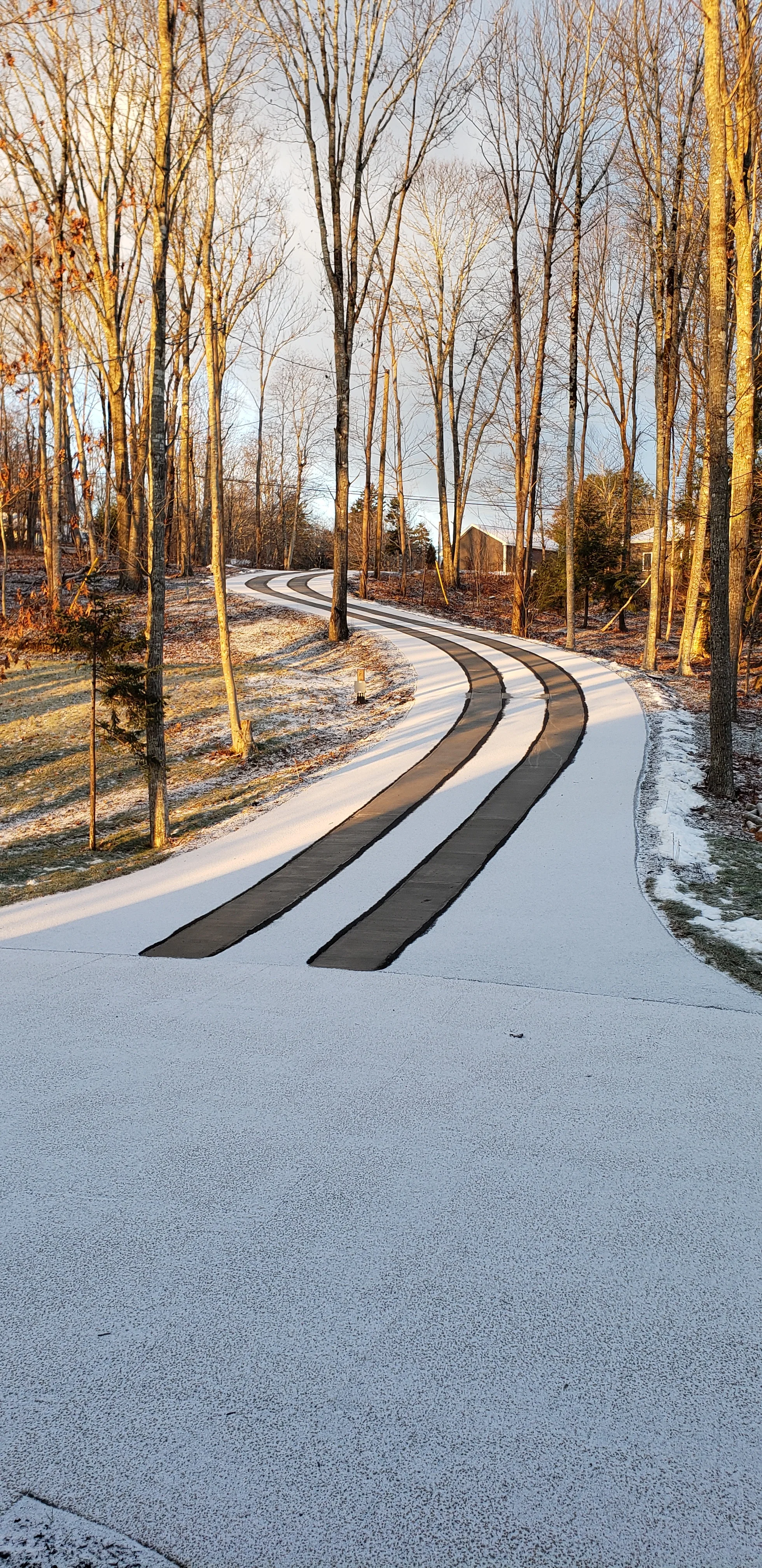
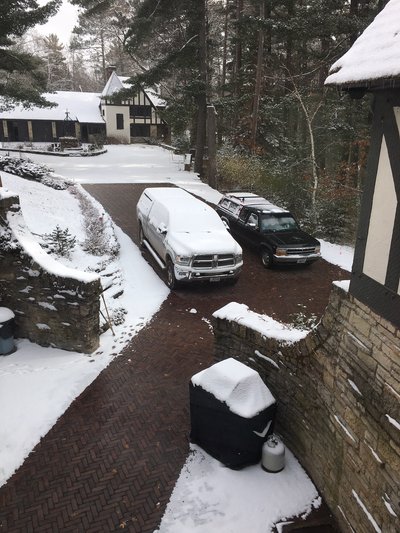
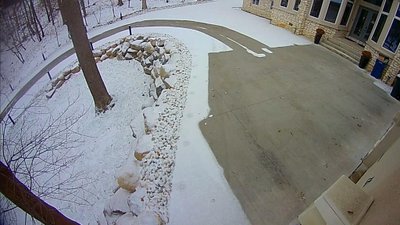
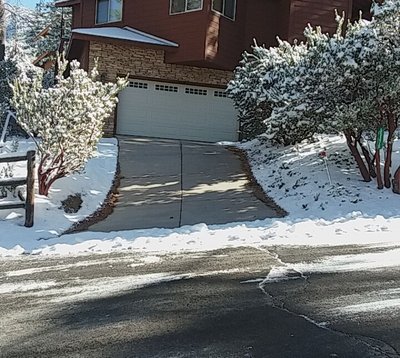
Stop shoveling for good—WarmlyYours heated driveway systems embed cables under asphalt, concrete, or pavers to automatically clear snow and ice overnight. Choose full-coverage or economical tire-track layouts, backed by our design support and smart controls that activate before you wake up.
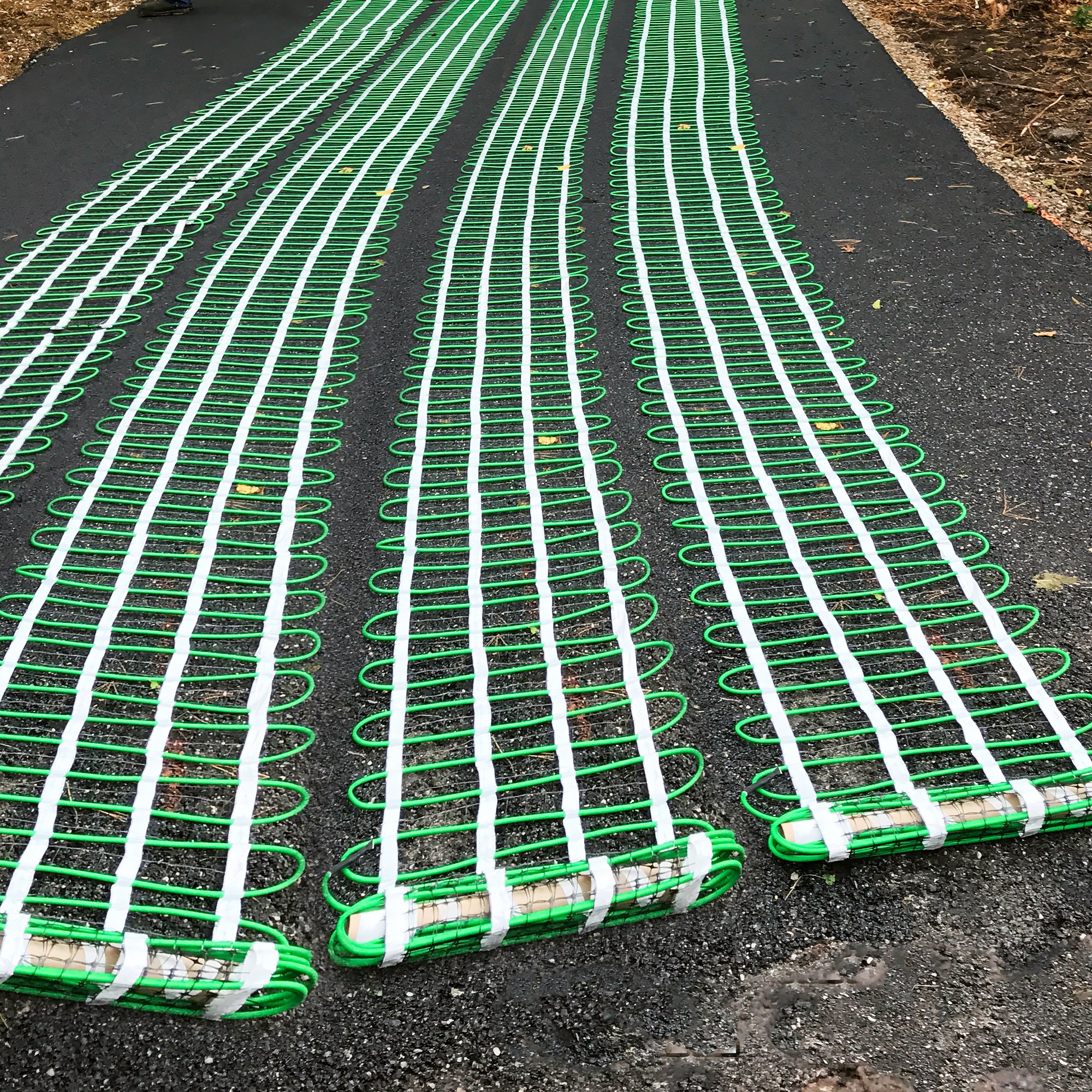
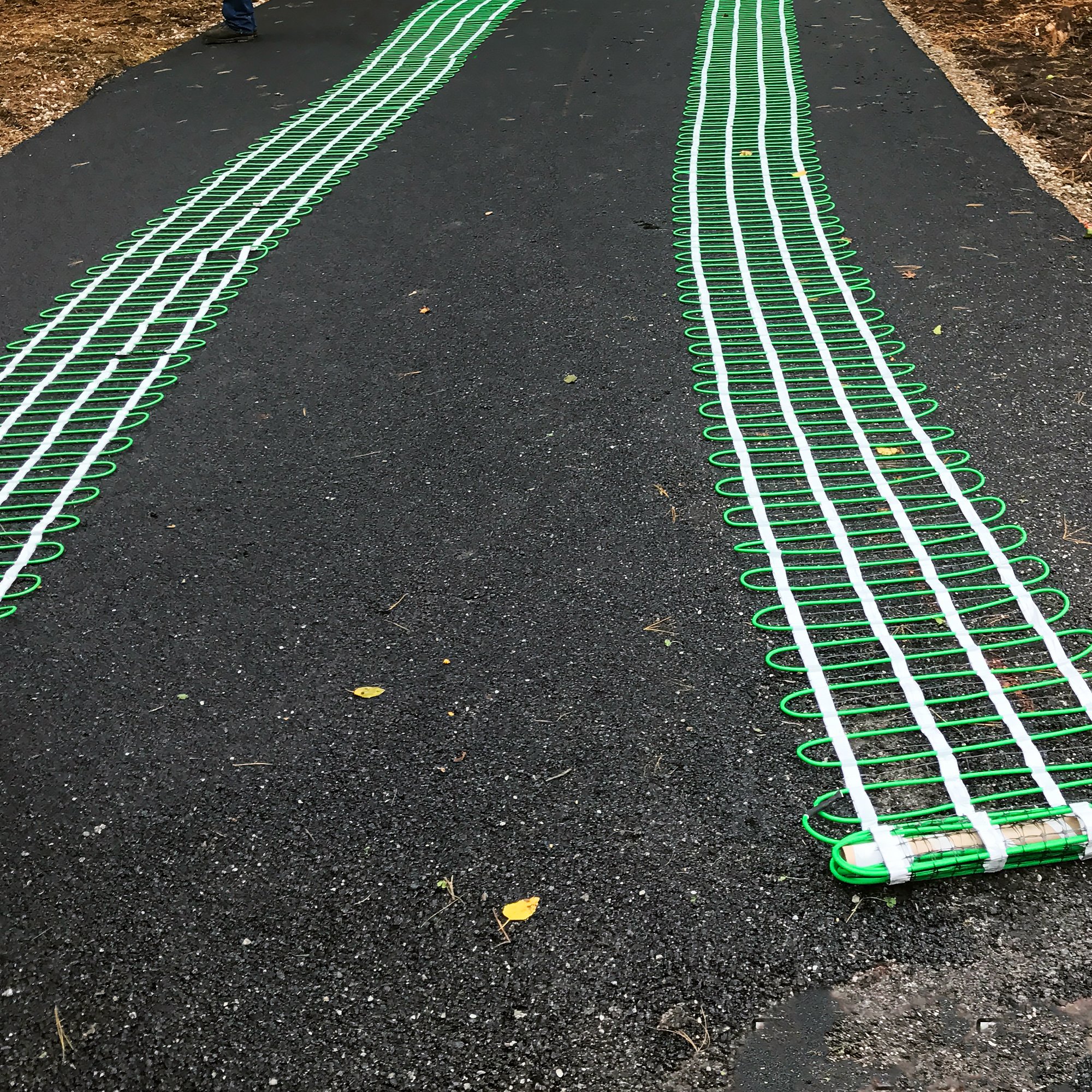
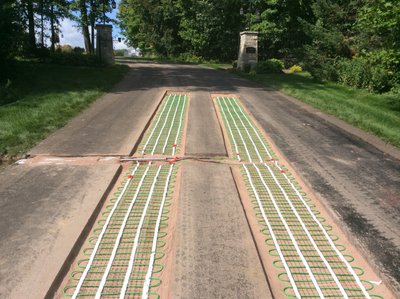
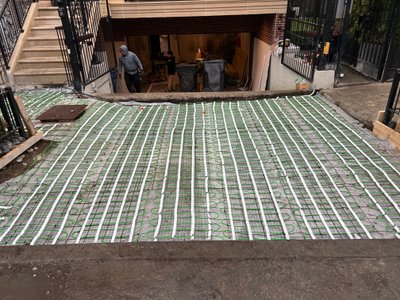
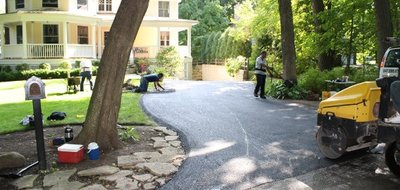
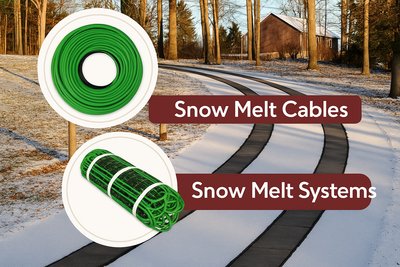
Our driveway heating systems are available as either heated driveway mats or cables, which can be installed in asphalt, concrete, or under pavers in mortar. They're ideal for both residential use and commercial applications, and for any size or shape of heated driveway.
A complete driveway heating system will typically include at least the heating elements (snow melting mats or cables) and a control to sense things like air temperature or moisture on the pavement, but may also require additional components like a relay panel or an identification plaque to mark the location of the heated driveway mats.
Check out these videos to learn more about our snow melting systems and installation processes.
There are a number of variables that you have to keep in mind when considering installing a heated driveway. These variables include, but aren't limited to, labor costs for professional installers (even if you do most of the actual installation yourself, we always recommend hiring a licensed electrician to do the final hookups), material costs (such as cement and asphalt), and product costs (for the snow melting system itself).
The size of your project can have a substantial impact on all of the aforementioned variables, since you'll need a bigger snow melting system (and more materials and labor too) for a heated driveway than you will for a small walkway.
Material and labor costs will vary from area to area and based on the market, so you'll want to make sure to do your research when prepping for a project.
As far as product costs are concerned, for a heated driveway it will cost between C$12 and C$31 per square foot for the heating elements. Then you'll also have to account for between C$1,350 and C$4,100 for a control to operate the system.
Check out our blog for more information about heated driveway costs.
Use our Quote Builder to Calculate Your Heated Driveway Cost
Full coverage is certainly a functional and attractive option, as it means your entire heated driveway will be clear of snow and ice. If you're concerned about the operating cost or the energy demand for full coverage, make sure to consider zoned heating. By using our multi-zone controller for your heated driveway system, you break your project into "zones" which are heated one at a time. The entire surface will still be cleared but you'll cut down significantly on heated driveway costs like the operating cost.
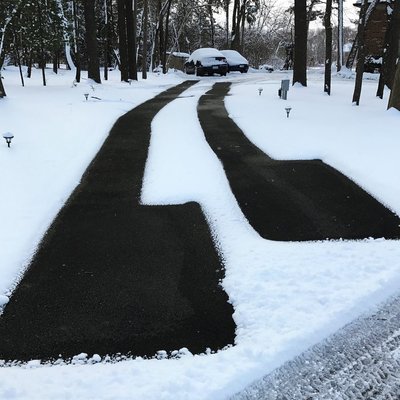
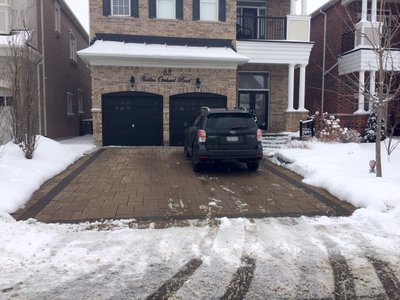
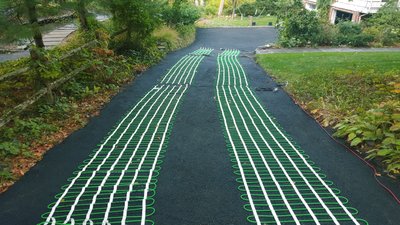
One popular alternative to full coverage is to simply heat tire tracks. This economical option helps users cut down on the cost of a heated driveway in terms of both installation and operation, while still providing great functionality in a functional heated driveway.
This coverage system works by installing two sets of heating elements, typically 2 feet wide and the length of the heated driveway, which will keep the driveway passable, even in the heaviest of snow falls.
Operating costs depend on your driveway size, coverage type, and local electricity rates. A typical 6‑hour snowfall event costs C$3–C$18 to melt — far less than a single visit from a snow removal service. Use our calculator to estimate your cost, or read our detailed guide on heated driveway operating costs.


"A snow melting system is the ultimate set-it-and-forget-it solution. No more shoveling, no more slipping—just safe, clear walkways and driveways whenever you need them!"
— Rae Radiant
| Operating cost by driveway size and coverage | 20ʹ wide by 20ʹ long Typical two cars driveway |
20ʹ wide by 20ʹ long Typical two cars driveway |
10ʹ wide by 20ʹ long Single car driveway |
|---|---|---|---|
| Coverage | Full | 2 pairs of Tire Tracks (2ʹ wide) | 1 pair of Tire Tracks (2ʹ wide) |
| Heated surface | 400 sq.ft. | 160 sq.ft. | 80 sq.ft. |
| Total kilowatt per hour (kWh) | 20 kWh | 8 kWh | 4 kWh |
| Rate per kWh | C$0.18 | C$0.18 | C$0.18 |
| Runtime hours | 6 | 6 | 6 |
| Total runtime cost | C$21.60 | C$8.64 | C$4.32 |
Choose from mats for fast installation or cables for maximum flexibility. Not sure which? See our guide on mats vs. cables.
| Feature | Snow Melt PowerMat | Snow Melt OmniMat | Snow Melt Cable |
|---|---|---|---|
| Best for | Heavy snowfall 60+ inches/year |
Moderate snowfall 30–60 inches/year |
Custom layouts Irregular shapes, curves |
| Heat output | ~50 W/sq.ft. | ~39 W/sq.ft. | 12 W/lin.ft. (~50 W/sq.ft. at 3″ spacing) |
| Cable spacing | 3″ (pre‑spaced) | 4″ (pre‑spaced) | 3″ or 4″ (adjustable) |
| Install speed | Fast (cut‑and‑turn) | Fast (cut‑and‑turn) | Moderate (manual layout) |
| Surfaces | Asphalt, concrete, pavers/stone | ||
| Cost per sq.ft. | ~$15–$25 | ~$12–$20 | ~$10–$18 |
| Warranty | 10-year limited warranty | ||
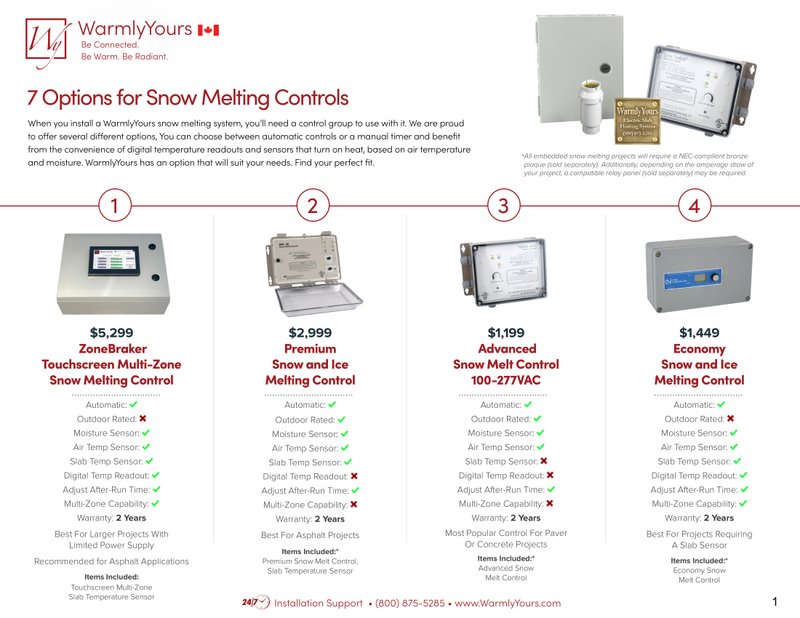
You'll also need a snow melting control to automate your system — options range from basic manual controls to WiFi‑enabled sensors that activate automatically based on weather conditions.

Maximum Heat Density for Heavy Snowfall (3" spacing)
Optimal Performance & Energy Balance (4" spacing)

Maximum Flexibility at a Minimal Cost
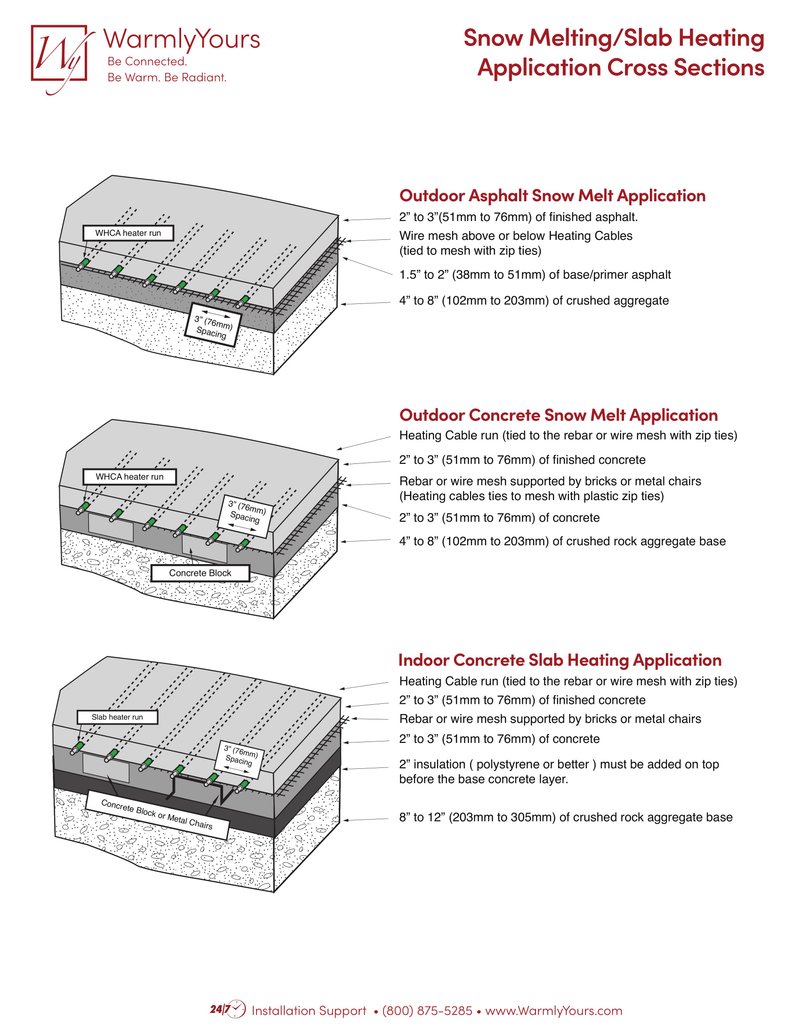
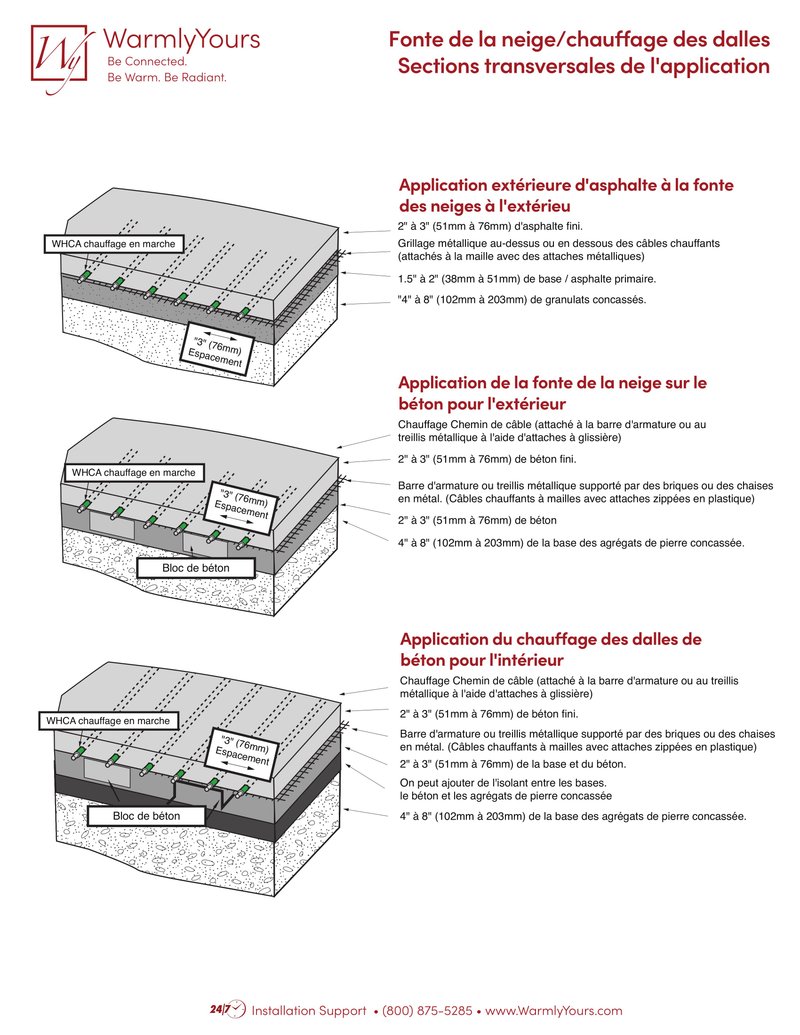
Installation method depends on your surface material — each requires a different approach for embedding the heating elements. We provide free custom installation plans (SmartPlans™) and offer both new asphalt and retrofit design guides to walk you through the process. For a step-by-step overview, see our guide on how to plan for a snow melting system.




 Julia
Feb 25, 2026
Julia
Feb 25, 2026
 Julia
Feb 25, 2026
Julia
Feb 25, 2026
 Julia
Feb 26, 2026
Julia
Feb 26, 2026
 Stephanie
Jun 21, 2018
Stephanie
Jun 21, 2018
 Stephanie
Apr 11, 2018
Stephanie
Apr 11, 2018
 Victoria
Feb 25, 2026
Victoria
Feb 25, 2026
 Victoria
Feb 25, 2026
Victoria
Feb 25, 2026
 Stephanie
Jul 20, 2017
Stephanie
Jul 20, 2017
 Victoria
Feb 25, 2026
Victoria
Feb 25, 2026